Historical Prostitution Italy: Evolution, Law, and Culture
When studying historical prostitution Italy, the long‑term development of sex work from ancient Rome to today's regulations. Also known as Italy's prostitution history, it shows how law, economy, and social attitudes have constantly reshaped the trade. This backdrop historical prostitution Italy is not just an academic curiosity; it directly influences modern services like the Milan escort industry, the high‑end companion market in Italy’s fashion capital. Understanding the past helps you see why agencies market luxury experiences, why certain venues thrive, and how safety standards evolved.
Key Threads Connecting Past and Present
The story of prostitution in Italy, the broad practice across regions and eras involves three main threads. First, legal frameworks have swung like a pendulum: from the regulated brothels of the 19th century to the 2017 ban on public solicitation. That shift is captured in the Italian legal framework on sex work, the set of statutes and court rulings governing prostitution, which today differentiates tolerated private arrangements from illegal street work. Second, economic forces—war, industrialization, tourism—have dictated demand and pricing, shaping everything from medieval tavern rooms to today’s luxury hotel bookings. Third, cultural attitudes, from moral condemnation to occasional romanticization, have colored public discourse and client expectations. These three aspects together form a semantic triple: historical prostitution Italy encompasses legal changes, economic factors, and cultural attitudes; cultural attitudes influence client behavior; legal changes require new safety tools.
Looking at the modern scene, the cultural impact of prostitution, the way sex work reflects and reshapes societal norms is evident in media, fashion, and tourism. For example, the rise of fantasy role‑play services in Milan’s escort market mirrors an increasing appetite for curated experience, a trend first noted in post‑COVID digital platforms. Meanwhile, the gig‑economy angle shows how freelance models adapt historic flexibility to new tech tools. By linking the past to present, you can spot patterns: tighter regulations often boost discreet, high‑end services; cultural celebrations of nightlife fuel demand for elite companions. The collection below pulls together articles that dive deeper into these patterns—whether you’re curious about legal nuances, tech’s role, or the economics of escort earnings. Keep reading to see how each piece adds a layer to the full picture of historical prostitution Italy.
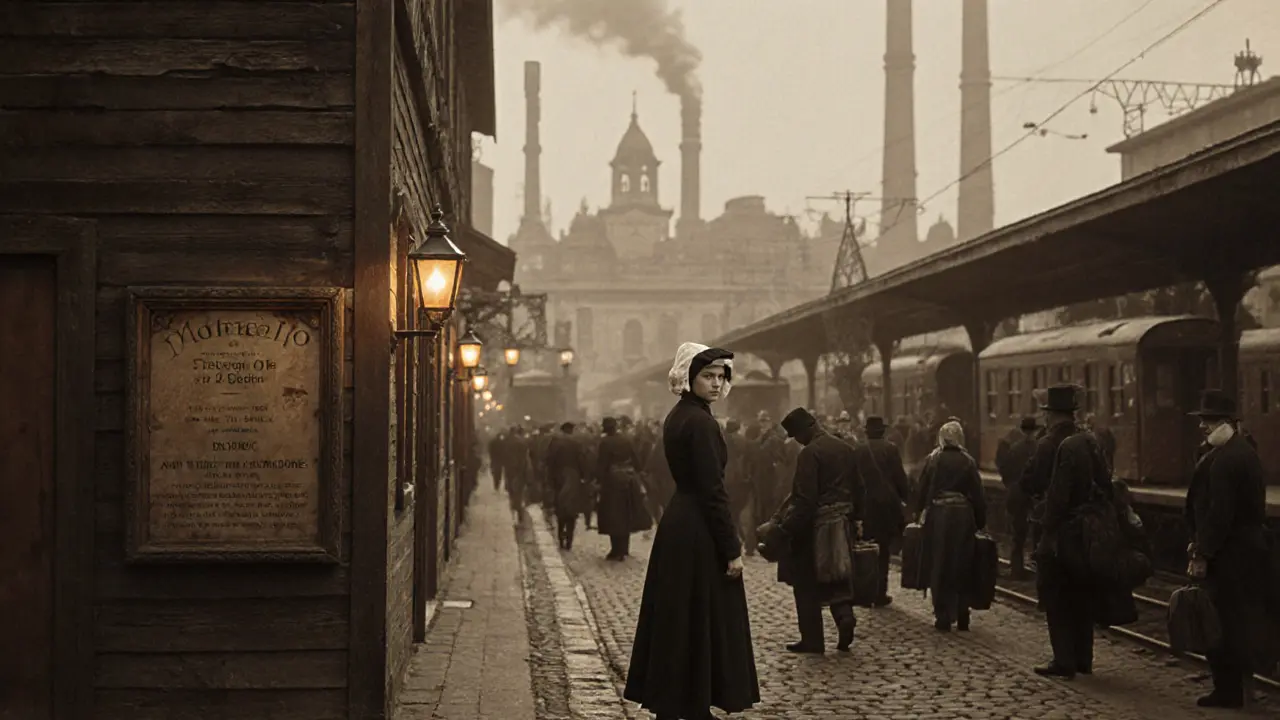
Explore how Milan's escort services evolved from 19th‑century bordellos to today's digital platforms, covering legal shifts, crime influence, and current market size. (Read More)